 The
TheServices · Interior
Artex Removal & Wall Smoothing
Artex went out of style years ago. We leave your wall completely smooth, ready to paint in any colour or for a plaster finish.
Many homes in the area — especially those built in the 1980s and 90s — still have artex (textured coating) on walls and ceilings. It's a texture that collects dust, is hard to clean, and gives any renovation a dated look, however modern the rest of the home is.
Depending on the wall's condition, the artex is either chipped off down to the original surface, or covered with a layer of smoothing filler until a completely flat surface is achieved. Either way, we protect floors, furniture and joinery with sealed dust sheets before starting — the process generates dust, but cleaning up at the end of each day is part of the service.
It's one of the jobs we get asked for most, and one fewer local painters offer as a real speciality: we do it with the right tools and judgement so the result actually ends up smooth, not just "less rough".
Once the wall is smooth, it's normally painted straight after — see interior painting — though we also quote the smoothing on its own if you already know what's going on afterwards (wallpaper, plaster, etc.).
Before deciding on a method, we assess the real state of the artex: its thickness, whether there are several layers of paint on top, and the condition of the plaster underneath. That assessment determines whether it's best to chip it off completely or smooth over it with filler.
Chipping it off is the more definitive method: the artex is removed down to the original surface, then one or more coats of levelling filler are applied until a completely flat surface is achieved. It creates more rubble, but the result is the most durable, especially if wallpaper or a finish that needs a perfectly smooth base is going on afterwards.
Smoothing over the top (without chipping) is faster and cleaner, and works well when the artex isn't too damaged: several coats of smoothing filler are applied to cover the texture, sanded between coats, and left ready to paint.
In both cases, the dust generated is controlled by protecting the rest of the home with sealed dust sheets over doors and vents, and thoroughly vacuuming before considering each phase finished.
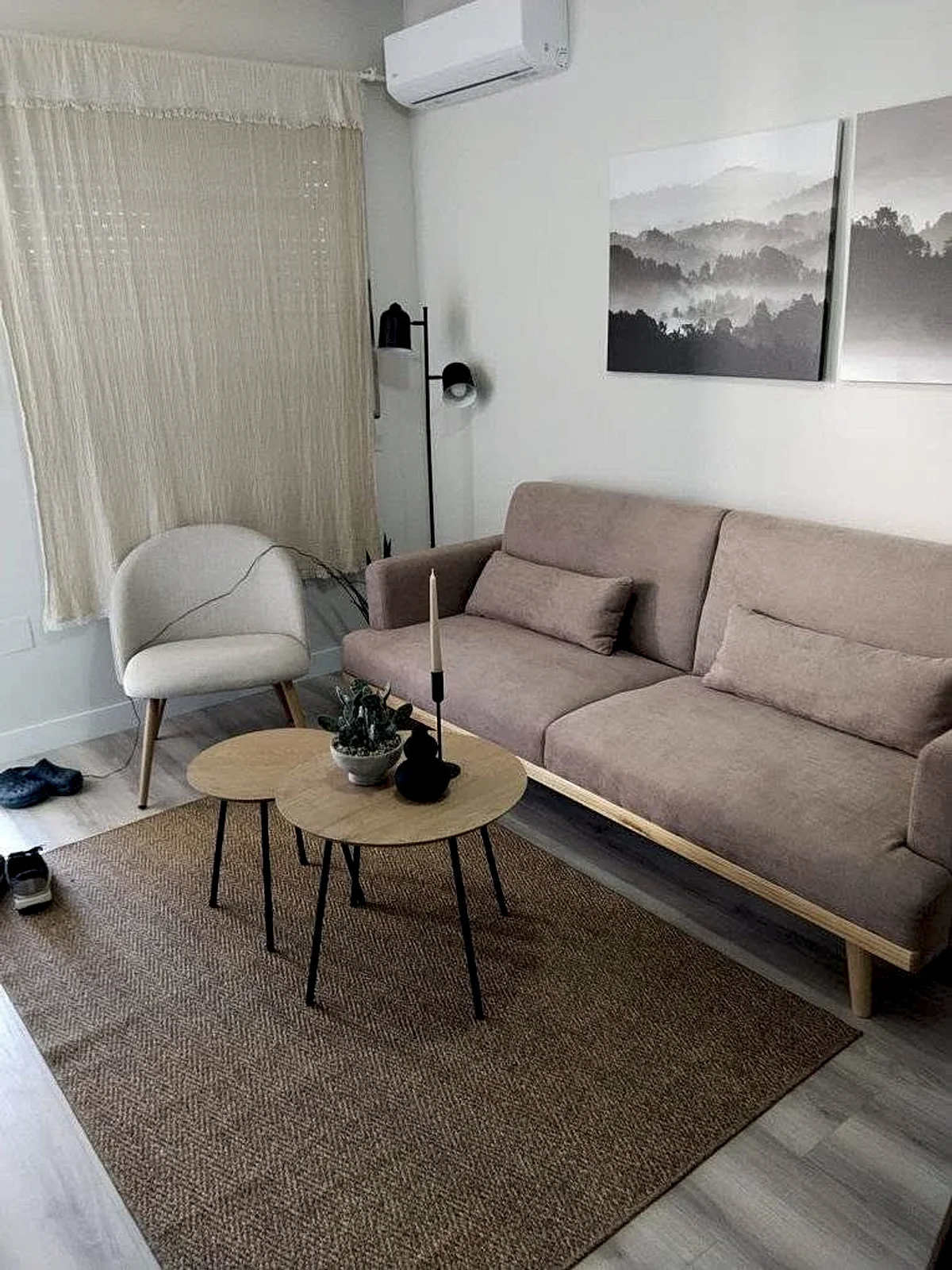
Once the method is decided, the final result is painted following the same process as any interior painting job. If your project covers several rooms, you can get a sense of the cost with the online estimator.
Frequently asked questions
Can artex be removed without making a lot of dust?
The process does generate dust (it's surface smoothing), but we protect floors, furniture and joinery with sealed dust sheets before starting, and clean thoroughly at the end of each day.
How long does it take to get a wall smooth?
It depends on whether the artex is chipped off or smoothed over with filler; at the technical visit we tell you the most suitable method for your wall and the exact timeframe.
Do I need to have it painted separately afterwards?
Smoothing and the final paint job are normally booked together for a uniform finish, but we can quote just the smoothing if you've already decided on the colour or wallpaper you want afterwards.
Is it better to chip it off or smooth over it?
It depends on the condition of the artex and what you want to put up afterwards. Smoothing over is faster and cleaner; chipping it off is more definitive and recommended if you're putting up wallpaper or want the smoothest possible base. We assess this at the technical visit.
Let's get started
Request your no-obligation quote.
We respond within 24 business hours. No pushy sales visits, no fine print.
- Detailed quote, no surprises
- Free technical site visit
- Insured in-house team